

Article
Stefan Lehne
{
  "authors": [
    "Stefan Lehne"
  ],
  "type": "commentary",
  "blog": "Strategic Europe",
  "centerAffiliationAll": "",
  "centers": [
    "Carnegie Endowment for International Peace",
    "Carnegie Europe"
  ],
  "englishNewsletterAll": "",
  "nonEnglishNewsletterAll": "",
  "primaryCenter": "Carnegie Europe",
  "programAffiliation": "",
  "regions": [
    "Europe",
    "United States"
  ],
  "topics": [
    "EU",
    "Foreign Policy",
    "Security"
  ]
}
Source: Getty
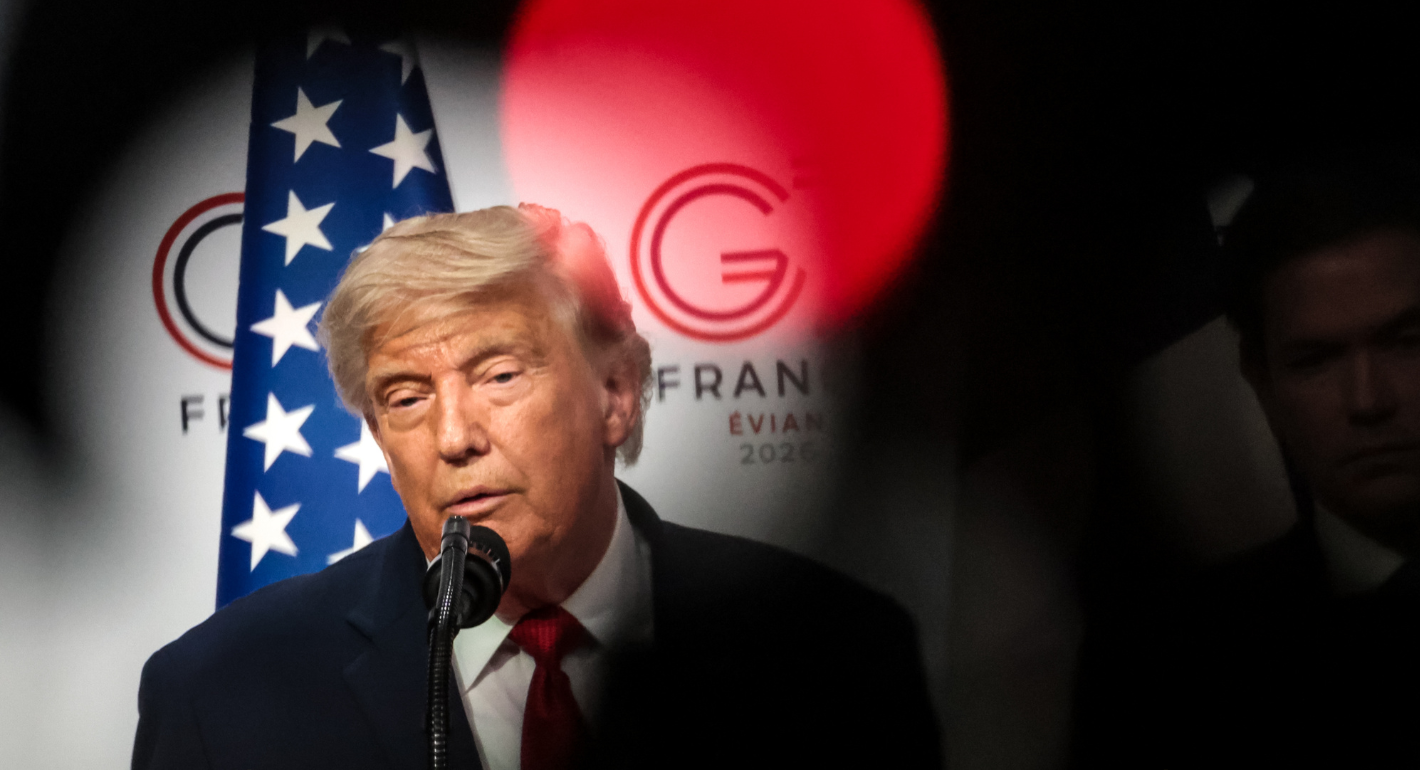
There is an elephant in the room when it comes to the EU’s upcoming security strategy: Donald Trump. Unless European leaders acknowledge the depth of the transatlantic crisis, true autonomy will remain out of reach.
“Whereof one cannot speak, thereof one must be silent.” This famous final line of Austrian philosopher Ludwig Wittgenstein’s Tractatus Logico-Philosophicus epitomizes the knot at the heart of the upcoming European security strategy. It will essentially be about mitigating the risks tied to the United States’ rupture with Europe. But on this topic precisely, it will say very little.
The hostile policies of U.S. President Donald Trump’s second term in office toward Europe are the only geopolitical development that might justify drafting a new strategy. But the EU institutions and member states will not openly acknowledge the deep crisis in transatlantic relations. Rather, like the wizards in Harry Potter books, who refer to the villain Voldemort as “he who must not be named,” Europeans will avoid mentioning the current U.S. president altogether.
The concern uppermost in their minds—that Washington will no longer honor its commitments under the NATO treaty—will barely be mentioned, despite it fast becoming a central security risk for the continent. Many EU actors fear that any public reference to U.S. disengagement from Europe could, by triggering Trump’s anger, turn into a self-fulfilling prophecy. Also, European leaders remain deeply divided between those like Spanish Prime Minister Pedro Sánchez, who openly distance themselves from the current U.S. administration, and others who believe that accommodating the president at almost any cost remains essential for national security.
Excessive caution on the this side of the Atlantic contrasts with the attitude on the other. Donald Trump’s own National Security Strategy of November 2025 is full of vitriol toward Europe. It accuses the EU of undermining political liberty, warns of “civilizational erasure” due to irresponsible migration policies, and commits to work with “patriotic” parties to help Europe “correct its current trajectory.”
European leaders have their own thoughts about the United States’ current trajectory, but no one would think of expressing them in an official strategic document. Despite the Greenland shock and the new wave of hostile U.S. rhetoric in the context of the Iran war, they remain collectively unable to call a spade a spade. This has a political cost: It will be more difficult to persuade the European public to bear the burden of ramped up defense spending if its leaders remain in official denial about the true state of the transatlantic relationship.
While the authors of the new security strategy will be dancing around the core problem of U.S. disengagement, they will have much more to say about the need for remedial action. This includes building defense and tech capacity, reducing asymmetric dependencies, and shoring up European resilience across the board, ranging from supply chains to infrastructure. Expect also a strong emphasis on supporting Ukraine and moving the enlargement process forward. These are all hugely important topics, but they have been part of the European debate for years and have been dealt with in numerous strategic documents.
But there are three other ways in which the new strategy could make a real contribution.
First, a clear focus on governance in dealing with security challenges would be useful. Today, these are often handled in a siloed and disjointed manner. Developing better methods for mobilizing and coordinating the various instruments at hand could help the EU respond more effectively to the multifaceted threats of the future, including those tied to the changing transatlantic compact. The idea of linking the strategy to the union’s next multiannual budget is also welcome. After all, connecting the financial means to the ends must be at the core of any strategy.
Second, in today’s fragmented geopolitical world, not everything can be done by the EU as such. There is a need for flexibility and differentiation, both internally and in engaging with international partners. But initiatives by groups of member states can create divisions and resentment, if they are not anchored in the union as a whole. The strategy should help developing the right formulae for ensuring greater flexibility without losing coherence.
Third, it is now broadly acknowledged that the bloc’s current foreign policy structures are not fit for purpose in this radically changed international situation. While full-fledged treaty reform remains out of reach, a great deal can be accomplished within the current legal framework. This author’s suggestions for a European security council and for merging the European External Action Service and the commission are just examples of the steps that could be taken. The strategy, of course, cannot provide a comprehensive blueprint for a renewed foreign policy architecture. But it can trigger a reform process and provide orientation to it.
With progress on these issues, the strategy will prove useful despite the gaping hole at its core. The lack of a common public acknowledgement of the true state of transatlantic relations will continue to hamper the EU’s progress toward real autonomy. However, Donald Trump and senior figures in his administration can be relied upon to further advance our understanding of the depth of the problem. Hopefully, they will also prompt European leaders to draw the right conclusions.
Subscribe to Strategic Europe, delivered to you weekdays!

Senior Fellow, Carnegie Europe
Stefan Lehne is a senior fellow at Carnegie Europe in Brussels, where his research focuses on the post–Lisbon Treaty development of the European Union’s foreign policy, with a specific focus on relations between the EU and member states.
Recent Work
Stefan Lehne
Stefan Lehne
Carnegie does not take institutional positions on public policy issues; the views represented herein are those of the author(s) and do not necessarily reflect the views of Carnegie, its staff, or its trustees.

Defense tech innovations will be at the heart of Europe’s new security strategy. But so far, Brussels has been making moves without a broader plan, undermining readiness and credibility.

Raluca Csernatoni
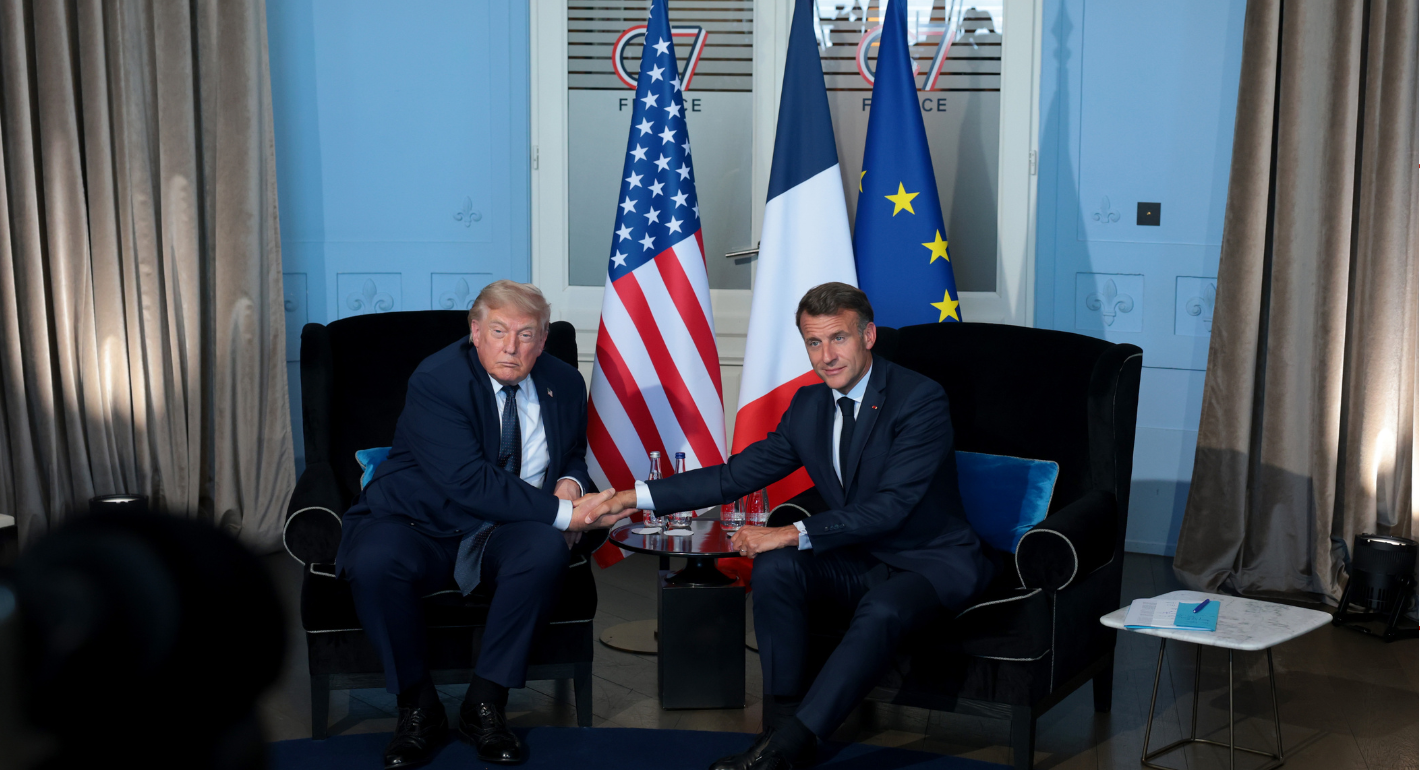
When the U.S.-Iran memorandum of understanding was announced, the UK, France, Germany, and Italy declared their readiness to help demine the Strait of Hormuz and lift nuclear sanctions on Tehran. But does Europe need new tools to recover a diplomatic role?

Rym Momtaz, ed.
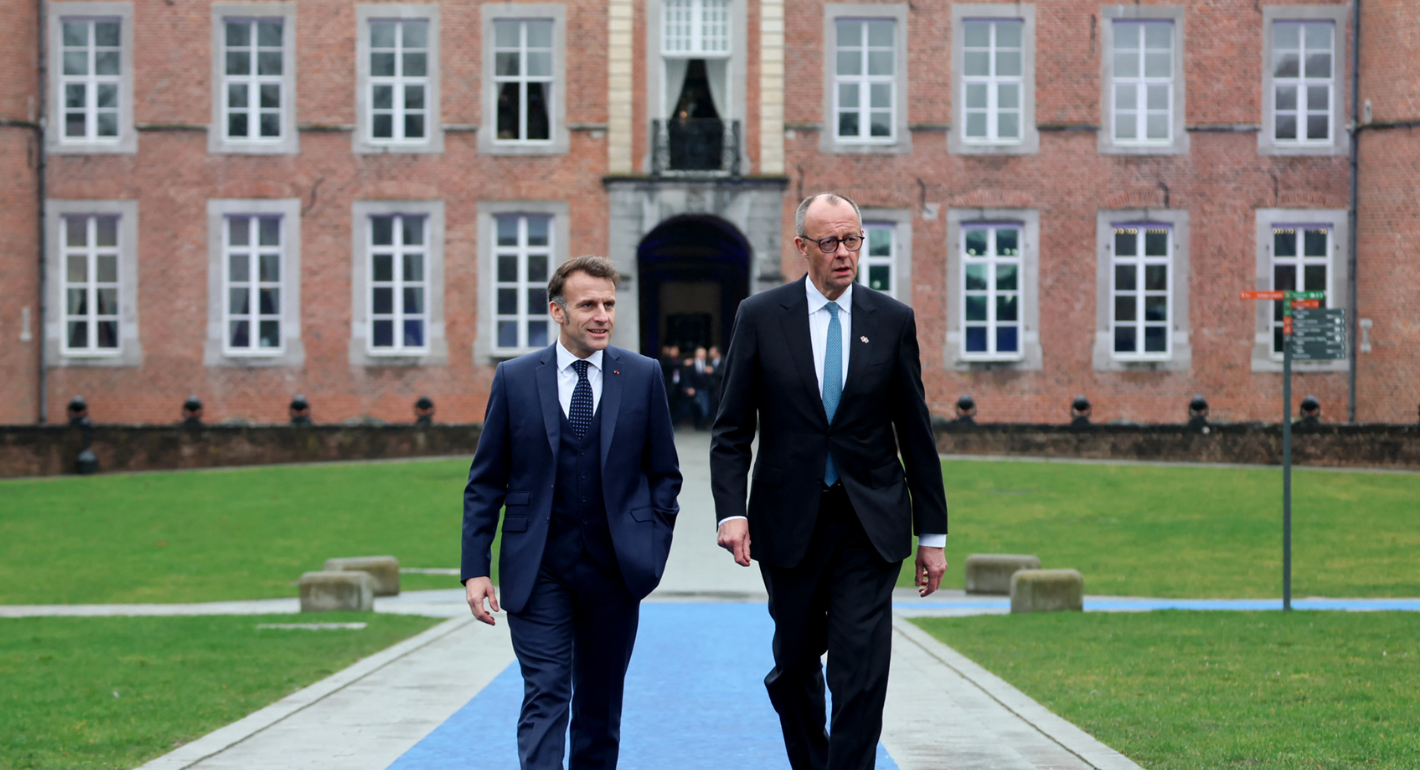
The Franco-German relationship is on the rocks again. But unlike previous moments of tension, the epochal changes on the world stage require that both step up investment in their bilateral ties.
Rym Momtaz
The EU is putting together a new security strategy to meet today’s myriad challenges. But for any proposal to be effective, the union needs to grapple with its identity and ambitions.

Pierre Vimont

The EU’s new migration policy is not suited to today’s realities. With climate change increasingly becoming a driver of displacement, Europe needs to rethink its deterrence-focused approach.

Shana Tabak